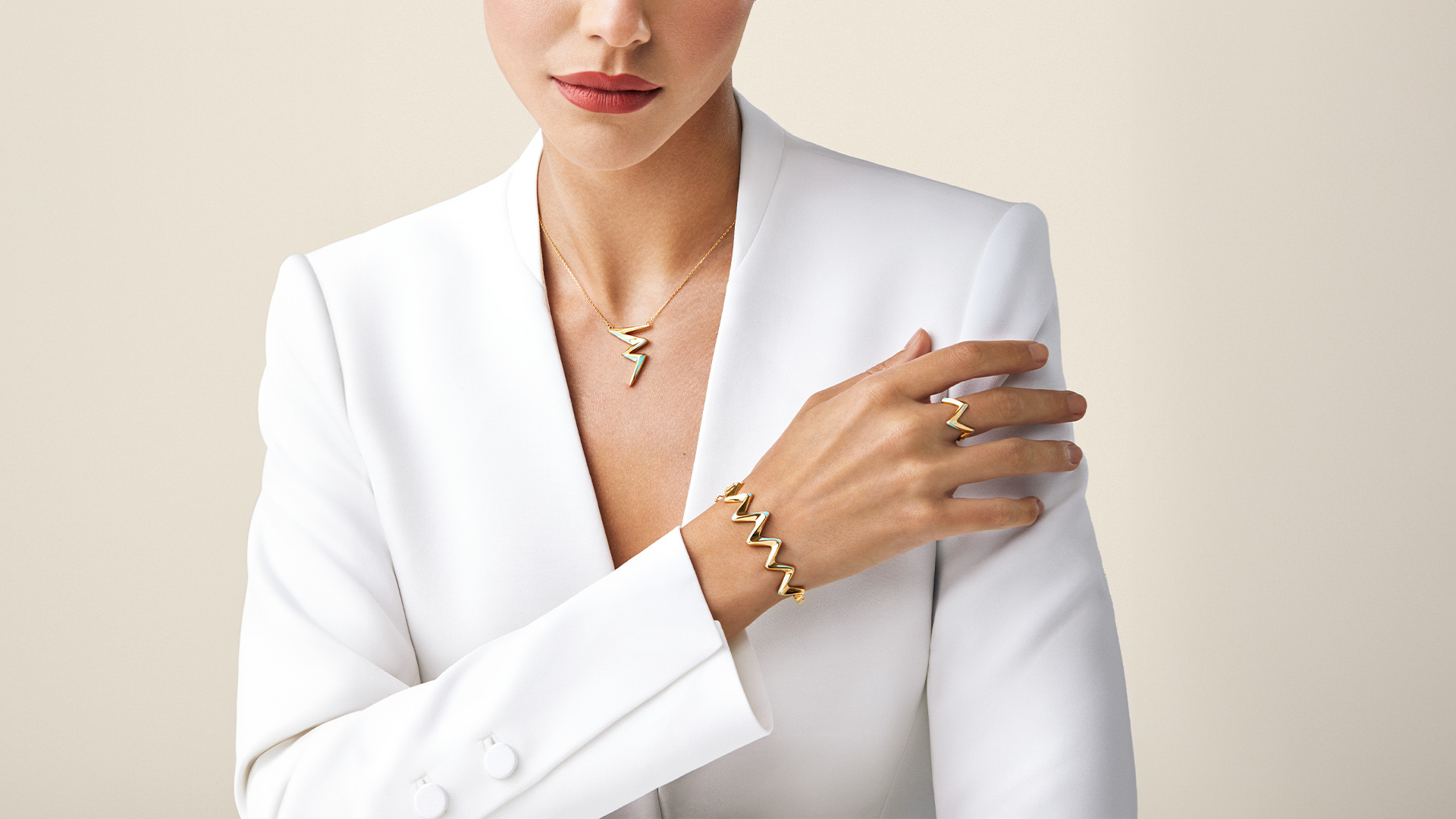
Building a high-end jewelry collection is an investment in personal style, craftsmanship, and enduring value. For decades, the conventional wisdom suggested that true luxury could only be acquired by paying premium prices at flagship boutiques or historic jewelry houses. However, a modern paradigm shift has completely transformed how savvy collectors approach fine accessories.
Smart consumers have discovered that luxury outlet shopping offers an exceptional path to acquiring authentic, high-quality jewelry without the traditional retail markup. By understanding the inner workings of outlet stores, learning how to evaluate inventory, and adopting a strategic approach, you can build a stunning fine jewelry collection that looks like it cost a fortune but was acquired for a fraction of the price.
The Strategic Logic of Luxury Jewelry Outlets
To navigate the world of high-end outlet shopping successfully, you must first dismantle the misconception that outlet inventory consists entirely of defective or inferior merchandise. Luxury brands maintain outlet locations for highly specific operational reasons, and understanding this cycle is your greatest advantage.
Inventory Liquidation Cycles
High-end jewelry designers routinely introduce new seasonal lines to align with global fashion calendars. When a new collection arrives, flagship stores must clear their limited display space. The unsold pieces from the previous season, along with retired capsule collections and overstock items, are systematically transferred to the brand’s official outlet stores. These items are pristine, fully authentic, and carry the exact same craftsmanship as they did when sitting in a boutique a few months prior.
Sample Lines and Discontinued Designs
Brands often produce sample pieces for runway shows, editorial photoshoots, or internal presentations. Once these events conclude, these unique items are often sent directly to outlet stores. Furthermore, when a designer decides to discontinue a specific silhouette or stone setting to refresh their brand identity, the remaining inventory is marked down and shipped to the outlet network. This creates a treasure trove for collectors looking for rare or unique designs that are no longer available on the open market.
Establishing Your Foundation: What to Target First
When building a collection from scratch on a budget, it is easy to get distracted by flashy, overly trendy pieces that catch your eye under the showroom lights. A smart collector focuses on establishing a timeless foundation before branching out into avant-garde styles.
The Big Three Essentials
Your first few outlet excursions should be dedicated to hunting down the core essentials of a fine jewelry wardrobe. These are items that never go out of style and can be worn daily:
-
Solid Gold or Platinum Chains: Look for classic link styles like cable, box, or figaro chains. Purchasing these at an outlet allows you to secure high karat weights, such as 14-karat or 18-karat gold, at prices closer to the melt value of the metal.
-
Classic Diamond Studs: Diamond earrings are the ultimate everyday accessory. Outlet stores regularly feature classic round or princess-cut diamond studs in simple basket settings at steep discounts.
-
A Signature Cuff or Tennis Bracelet: A sleek, solid metal cuff or a delicate diamond tennis bracelet provides the perfect base for future wrist layering and adds instant sophistication to any attire.
Pro Techniques for Smart Outlet Evaluation
Shopping at a luxury outlet requires a sharper eye and a more disciplined approach than shopping at a traditional retail boutique. Follow these professional protocols to ensure your purchases are genuinely smart investments.
Understand the Tagging Architecture
Not all discounts are created equal. When inspecting a piece of jewelry, examine the price tag carefully. Many luxury outlets utilize color-coded sticker systems or specific alphanumeric codes to indicate the history of the item. A tag that shows a clear progression of markdowns from a boutique retail price indicates a true clearance item from the flagship line. Conversely, a tag that indicates the item was manufactured specifically for the outlet store may lack the intricate finishing details of the main line, though it may still offer good value.
Never Compromise on Material Hallmarks
No matter how deeply discounted a piece of jewelry is, always verify its intrinsic value by checking the physical hallmarks stamped into the metal. Authentic luxury jewelry will always feature clear, engraved markings indicating the purity of the precious metal:
-
For Gold: Look for stamps like 14K, 585, 18K, or 750.
-
For Platinum: Look for PT950 or PLAT.
-
For Sterling Silver: Look for 925.
If a piece is merely gold-plated or gold-filled, it will often carry markings like GP or GF. For a long-term luxury collection, focus your budget heavily on solid precious metals, as they maintain intrinsic commodity value forever and can be easily polished or repaired.
Navigating the Relationship with Outlet Specialists
One of the most underutilized assets in an outlet store is the sales staff. Because outlet stores experience a rapid and unpredictable influx of new merchandise, building a professional rapport with the store associates can unlock hidden opportunities.
Get on the Client Book
When you find an outlet store that aligns with your aesthetic, introduce yourself to a sales associate and express your specific collecting goals. Ask to be added to their personal client book. When high-end trade-ins, rare flagship transfers, or highly anticipated clearance shipments arrive at the loading dock, associates will often text their preferred clients before the merchandise ever hits the public display cases.
Ask for the Back Stock
Unlike flagship boutiques that display their entire inventory openly, outlet stores often keep boxes of unorganized, newly arrived merchandise in their back-room safes. If you are looking for a specific type of item, such as a particular gemstone ring or a specific length of chain, ask the associate if they have any unmanifested stock in the back. Taking the time to ask can result in discovering a hidden gem that has not yet been processed for the floor.
Frequently Asked Questions
Are the diamonds sold at luxury outlet stores certified by independent labs?
Yes, reputable luxury outlet stores that sell fine diamond jewelry will provide official certification documents, such as a grading report from the Gemological Institute of America or an internal brand authenticity certificate. Always ask the sales associate for the official documentation before finalizing a diamond purchase to ensure the color, clarity, and cut match the asking price.
Can I get jewelry altered or resized if I purchase it from an outlet store?
Most luxury outlet stores operate on an as-is basis and do not feature on-site jewelers to perform immediate resizing or custom alterations. However, because the pieces are crafted from authentic precious metals like gold or platinum, you can easily take the piece to an independent master jeweler in your local area to have it safely resized, shortened, or repaired.
How can I tell if a luxury jewelry outlet is an official brand store or a third-party reseller?
To protect yourself from counterfeit goods, always verify the store’s legitimacy by visiting the brand’s official corporate website and checking their store locator directory. Official factory outlets will be explicitly listed as authorized retail locations. Avoid standalone shops in tourist areas that use a brand’s logo without being officially recognized on the corporate locator page.
What is the best time of year to find the deepest markdowns at jewelry outlets?
The most lucrative windows for jewelry outlet shopping occur immediately following major retail holidays. Late January and February are exceptional times because stores are clearing out unsold holiday inventory. Similarly, the end of summer is ideal as brands prepare their showrooms for the autumn and winter collections.
Do jewelry outlet stores offer the same warranties as flagship boutiques?
Warranty policies vary significantly by brand. Some luxury manufacturers honor their standard global warranties regardless of where the item was purchased, provided you have the original outlet receipt. Others may limit the warranty period or exclude outlet purchases from free lifetime polishing services. Always clarify the exact warranty terms at the point of sale.
Is it safe to buy estate or vintage jewelry from an outlet center?
Some specialty jewelry outlets feature dedicated estate or vintage sections. Buying these pieces is entirely safe provided the store employs certified gemologists who physically authenticate and test the metal and stone purity before display. Ensure the store provides a detailed, written appraisal invoice detailing the weight, material, and estimated era of the piece.
