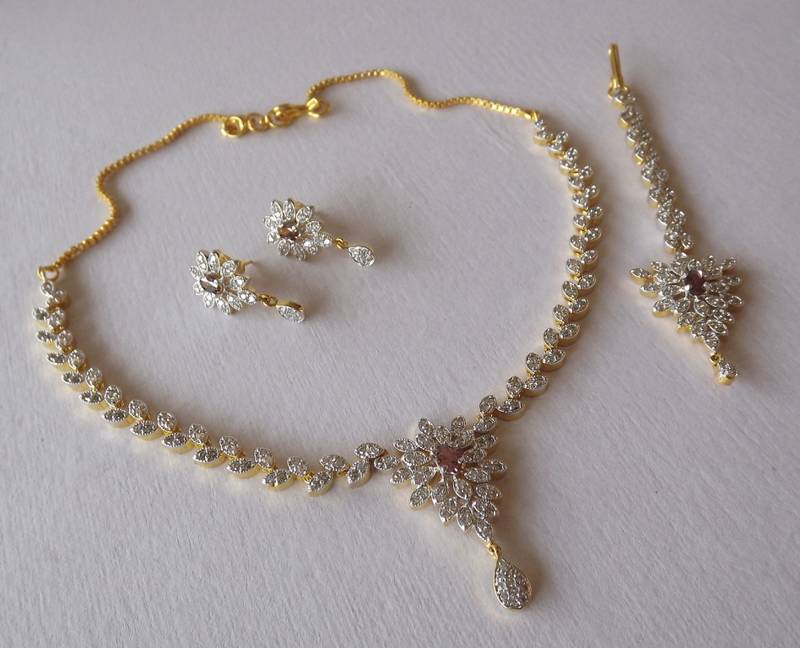
The jewelry world is incredibly dynamic, constantly shifting under the influence of changing fashion movements, seasonal preferences, and economic variations. Colorful gemstones enjoy periods of high demand, minimalist gold bands dominate casual style trends, and silver experiences regular revivals. Yet, through every cultural shift and stylistic transformation, one constant remains at the absolute top of the luxury hierarchy: the diamond.
Diamond accessories are far more than mere decorative pieces. They represent the ultimate standard of luxury, an enduring symbol of personal milestone achievements, and the most universally desired jewelry on Earth. From delicate stud earrings to intricate necklaces, diamonds continue to hold an unrivaled position. Understanding why these brilliant stones maintain their absolute dominance requires looking at their unique physical properties, deep historical importance, emotional value, and versatility.
Unmatched Physical Superiority and Durability
The dominance of the diamond is rooted first and foremost in science. Long before a diamond is cut, polished, and set into a piece of fine jewelry, its basic physical structure guarantees its status as a superior material.
The Hardest Substance on Earth
Diamonds are composed of pure carbon atoms arranged in a dense, isometric crystal lattice structure. This unique atomic arrangement makes diamonds the hardest naturally occurring substance on the planet, earning a perfect rating of ten on the Mohs scale of mineral hardness. This exceptional durability means a diamond is virtually immune to scratching or surface wear from daily use. While other beautiful gemstones like opals, pearls, or emeralds can chip, scratch, or dull relatively easily, a diamond maintains its sharp edges and pristine surface face for multiple lifetimes.
Unparalleled Optical Brilliance
The visual magic of a diamond comes from its relationship with light. Diamonds possess an extraordinarily high refractive index, which refers to the material’s ability to bend light as it passes through the stone. When a diamond is cut with precise mathematical proportions, light enters through the top, bounces off the interior facets, and reflects back out to the viewer. This process produces three distinct optical effects:
-
Brilliance: The internal and external reflection of pure white light.
-
Fire: The dispersion of light into vivid rainbow colors.
-
Scintillation: The flashes of light and dark that occur when the jewelry moves.
No other gemstone can match this specific combination of optical properties, ensuring that a diamond catches the eye across a room in a way no alternative stone can mimic.
The Ultimate Symbol of Emotional Milestones
While physical properties explain how a diamond behaves, they do not fully explain how these stones captured the human heart. The cultural connection between diamonds and life’s most profound moments is an essential pillar of their continued crown.
Romance and Commitment
The tradition of using a diamond to seal a marriage proposal began centuries ago, but it evolved into a universal cultural requirement during the twentieth century. The message that a diamond represents love because it is eternal connected deeply with human psychology. Because a diamond is practically indestructible, it serves as the perfect physical metaphor for an enduring marriage contract. This emotional connection makes diamond rings, anniversary bands, and bridal jewelry highly resilient to shifts in consumer spending habits.
Multigenerational Family Heirlooms
Because diamonds do not degrade over time, they function as exceptional generational vessels. A diamond necklace worn by a grandmother can be passed down to a daughter and later transformed into a ring for a granddaughter without losing any structural stability or brilliance. When people purchase diamond accessories, they are rarely buying a temporary fashion item. They are investing in a future family heirloom that carries personal history, memory, and emotional value down through a lineage.
Unmatched Versatility Across Changing Styles
A common challenge for luxury accessories is the risk of looking outdated as fashion preferences evolve. A massive chunky gold necklace or a highly specific colored stone can easily look tied to a singular era. Diamonds completely escape this limitation through their natural neutral appearance and adaptability.
The Perfect Neutral Accessory
Clear, colorless diamonds function exactly like a neutral hue in a wardrobe. Because they lack a dominant intrinsic color, they never clash with clothing or other accessories. A classic diamond tennis bracelet looks completely appropriate when paired with a casual denim jacket and a t-shirt during the day, yet looks equally elegant when paired with a formal black dress at a high-end evening gala.
Harmonizing with All Precious Metals
Diamonds adapt effortlessly to whatever precious metal holds them. When set in platinum or white gold, diamonds create a sleek, icy, modern aesthetic that emphasizes monochromatic brilliance. When placed in yellow gold, the metal provides a warm contrast that highlights the stone’s bright white fire. In rose gold, diamonds take on a romantic, vintage feel. This aesthetic flexibility allows diamond jewelry to easily weather the alternating popularity of different metal trends.
High Retained Value and Global Portability
Beyond beauty and emotional significance, diamonds occupy a unique position in the global financial landscape. They represent a highly concentrated form of wealth that is universally recognized across geographic borders.
A Reliable Store of Value
While diamonds should not be confused with highly liquid financial assets like stocks or bonds, high-quality diamonds historically maintain steady value over long periods. Unlike mass-produced fashion items that lose almost all worth the moment they leave the store, fine diamond jewelry retains intrinsic value based on the global market cost of precious metals and raw gemstones. During periods of economic uncertainty or high inflation, physical assets of high quality often serve as a stabilizing element within a broader luxury collection.
Global Standards of Evaluation
One of the key reasons diamonds remain the definitive standard of jewelry wealth is the existence of a rigid, globally accepted grading framework. The creation of the universal grading system established an objective standard for evaluating quality anywhere in the world:
-
Carat Weight: The precise physical mass of the diamond stone.
-
Color: The absence of body color, graded from completely colorless to light yellow.
-
Clarity: The structural purity of the stone, measuring internal characteristics and external blemishes.
-
Cut: The quality of the human craftsmanship in shaping and faceting the stone to maximize light.
This international standardization gives buyers confidence that a diamond purchased in New York carries the exact same certified quality metrics when appraised in Tokyo or London, a feature few other luxury items can claim.
Frequently Asked Questions
What is the difference between lab-grown diamonds and natural diamonds regarding long-term value?
Lab-grown diamonds share the identical chemical, physical, and optical properties of natural diamonds, meaning they display the exact same brilliance and durability. However, because lab-grown diamonds can be manufactured in unlimited quantities using technology, their market price has declined significantly. Natural diamonds remain a finite, rare resource, allowing them to retain a much higher resale and investment value over long periods compared to lab-grown alternatives.
Why do diamonds sparkle much more than clear crystals like cubic zirconia?
The superior sparkle of a diamond comes down to its high refractive index and light dispersion properties. Cubic zirconia is a synthetic material that actually disperses colored light at a higher rate than a diamond, often creating an unnatural rainbow effect that looks synthetic to an experienced eye. Furthermore, cubic zirconia is a much softer material, meaning it quickly accumulates microscopic surface scratches that cause the stone to look dull and cloudy within a few years, whereas a diamond stays brilliant forever.
How often should diamond accessories be cleaned to maintain their original brilliance?
For diamond items worn on a daily basis, such as engagement rings or stud earrings, a gentle cleaning every two to three weeks is ideal. Diamonds have a natural affinity for grease and oils, meaning lotions, soap residue, and skin oils easily build up on the back facets of the stone. This layer blocks light from entering, drastically reducing the diamond’s sparkle. A quick soak in warm water mixed with mild dish soap, followed by a gentle scrub with a soft toothbrush, will restore the stone’s original fire.
Are faint yellow tints in a diamond always considered a bad feature?
In the traditional grading scale for white diamonds, a yellow tint lowers the stone’s grade and value. However, if a diamond has a rich, deep, and distinct yellow color, it crosses over into the category of a fancy color diamond. Natural fancy yellow diamonds, often called canary diamonds, are exceedingly rare and highly sought after by collectors, frequently commanding premium prices that exceed those of traditional colorless diamonds.
Which diamond cut provides the absolute highest amount of sparkle?
The round brilliant cut is engineered specifically to maximize light return and optical performance. It features fifty-seven or fifty-eight perfectly placed facets designed according to precise mathematical principles to produce the greatest possible amount of brilliance, fire, and scintillation. Other shapes, like emerald or asscher cuts, are step-cuts that emphasize long, sleek lines and internal clarity rather than intense sparkle.
Can a diamond break if it drops onto a hard surface?
Yes, a diamond can chip or break. While diamonds are incredibly hard and resistant to scratching, hardness is different from toughness. Diamonds possess natural cleavage planes, which are specific directions where the carbon atoms are less tightly bonded. If a diamond experiences a sharp, high-force impact at exactly the wrong angle against a hard surface like concrete or tile, it can split or chip along those cleavage lines. Protective jewelry settings, like bezels or sturdy prongs, help shield vulnerable edges.
