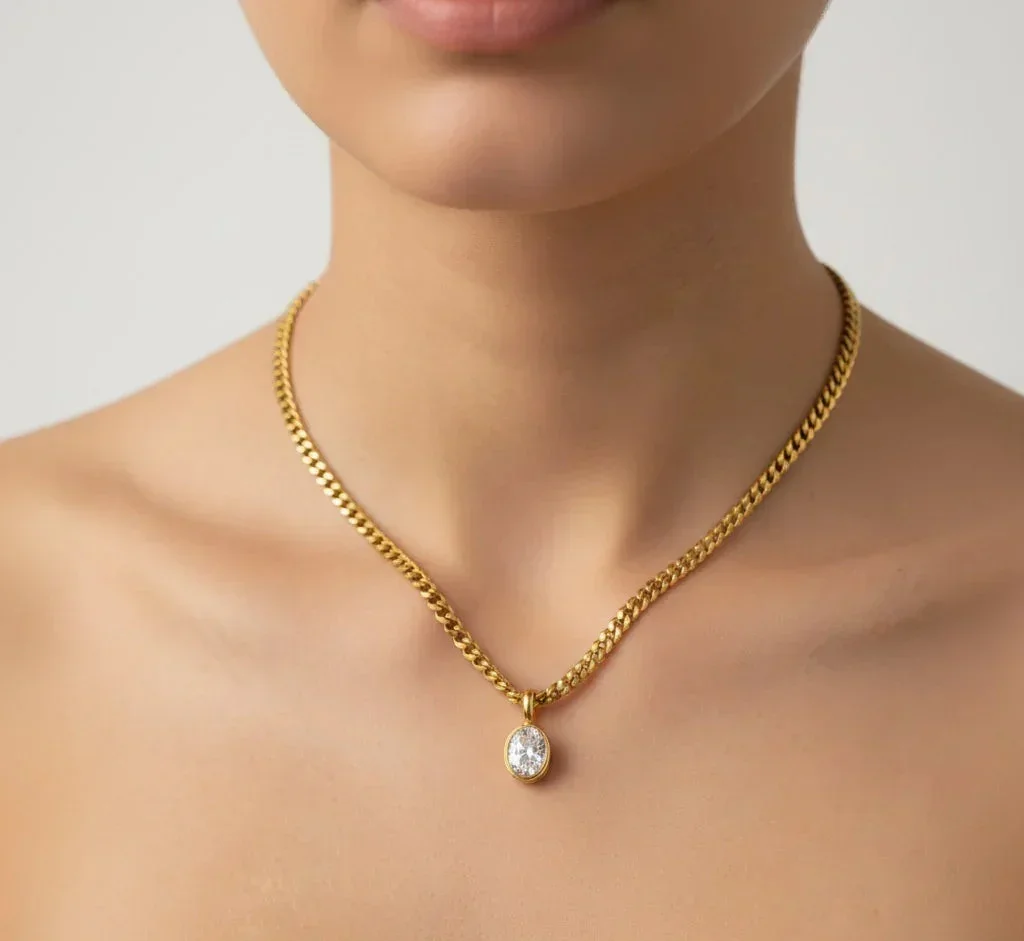
Owning a piece of diamond jewelry is a milestone that many people assume requires an astronomical financial investment. The widespread belief that beautiful diamonds are reserved solely for luxury budgets often prevents smart consumers from exploring the market. Fortunately, the jewelry industry offers numerous pathways to acquiring genuine, brilliant diamond accessories without accumulating debt. By shifting your focus from traditional retail marketing to strategic gemological principles, you can secure stunning accessories that maximize your budget while retaining long-term aesthetic appeal.
1. Demystifying the Four Cs for Smart Spending
To build a budget-friendly strategy, you must first understand the global standard used to grade diamonds: carat, cut, clarity, and color. Retailers often convince buyers to pursue perfection across all four categories, which causes prices to spike exponentially. True budget optimization relies on identifying the categories that offer the most visual impact and compromising on the parameters that remain hidden to the casual observer.
-
Cut is Non-Negotiable: The cut of a diamond determines its ability to reflect light and produce sparkle. A poorly cut stone will look dull and lifeless, regardless of how large or flawless it is. Conversely, an excellently cut diamond hides minor internal imperfections and slight color tints by bending light efficiently. Always allocate the largest portion of your budget to a premium cut grade.
-
The Carat Weight Threshold: Diamond prices increase non-linearly at whole-number and half-number thresholds, such as 0.50, 1.00, or 1.50 carats. Gemstone cutters go to great lengths to preserve weight to cross these lucrative boundaries. You can save up to thirty percent by purchasing a diamond that weighs slightly below these markers, such as a 0.92-carat stone. Once set into metal, the physical size difference between a 0.90-carat and a 1.00-carat diamond is visually indistinguishable.
-
Embracing Eye-Clean Clarity: Flawless diamonds are exceptionally rare and priced for collectors. For everyday accessories, prioritize eye-clean stones graded as Slightly Included or Very Slightly Included. These diamonds contain microscopic characteristics that require magnification to see, meaning they look identical to flawless gems when worn on the body.
-
Balancing Color and Metal Choice: Colorless diamonds command a premium. However, diamonds graded in the near-colorless range offer immense savings. If your accessory features a yellow gold or rose gold setting, the warm tones of the metal will naturally mask slight yellowish tints in the stone, allowing you to opt for a lower color grade without compromising appearance.
2. Leverage Alternative Diamond Shapes
The classic round brilliant cut is the most sought-after diamond shape on the market, which naturally drives its price higher. Furthermore, cutting a round diamond from a raw stone results in significant material waste, a cost that is ultimately passed along to the consumer.
Choosing an elongated or fancy shape can yield greater visual impact for less money. Oval, marquise, pear, and emerald cuts utilize a larger percentage of the original rough diamond, making them inherently more economical to produce. Additionally, elongated shapes possess a larger surface area relative to their carat weight. An oval or marquise diamond appears noticeably larger on the finger or neck than a round brilliant diamond of the exact same carat weight.
3. The Power of Cluster and Halo Settings
If you desire the look of a substantial diamond piece but possess a modest budget, the manner in which the stones are arranged can completely transform the visual scale of the accessory.
Halo settings encircle a modest center diamond with a perimeter of tiny, brilliant accent stones. This arrangement visually extends the borders of the jewelry piece, making a half-carat center stone resemble a full-carat diamond from a distance. The collective sparkle of the small border stones enhances the overall brilliance while costing a fraction of a single large diamond.
Cluster settings take this approach a step further by grouping several small, identically sized diamonds tightly together to create a cohesive geometric shape. A well-crafted cluster pendant or ring can mimic the silhouette of a massive solitaire stone, providing incredible luxury appeal at a highly accessible entry point.
4. Prioritizing Metal Choices for Longevity and Savings
The metal holding your diamonds plays a dual role in securing the gemstone and determining the baseline cost of the accessory. Platinum is highly durable and naturally white, but its extreme density and rarity make it an expensive choice for budget-conscious shoppers.
White gold offers an identical aesthetic at a vastly lower price point. It consists of pure gold mixed with durable white alloys and finished with a bright rhodium plating. If you prefer a warmer aesthetic, yellow gold and rose gold offer excellent value because they eliminate the need for routine rhodium maintenance and allow you to select diamonds with lower color grades. When shopping on a strict budget, ensure the metal is solid gold, typically fourteen-karat, which strikes the ideal balance between structural hardness, gold purity, and affordability.
5. Embrace the Advantages of Lab-Grown Diamonds
The modern jewelry market has been revolutionized by the widespread availability of lab-grown diamonds. These stones are real diamonds, possessing identical chemical structures, physical hardness, and optical properties to their earth-mined counterparts. They are not imitations like cubic zirconia or moissanite.
Because lab-grown diamonds are produced in controlled environments using advanced technological processes, their supply chains are direct and efficient. This translates to consumer savings of up to seventy percent compared to natural diamonds of equivalent size and quality. Opting for a lab-grown stone allows you to secure a larger, cleaner, and better-cut diamond without exceeding your pre-determined budget.
6. Explore Vintage and Estate Collections
Stepping away from contemporary retail storefronts opens up the world of estate and pre-owned diamond jewelry. Diamonds are the hardest natural substance on earth, meaning they do not degrade, wear out, or lose their structural integrity over time. A diamond cut a century ago retains the exact same durability as one cut yesterday.
Purchasing estate jewelry eliminates the steep initial retail markups associated with manufacturing and brand marketing. Many antique pieces feature exceptional, historic craftsmanship and unique cutting styles that cannot be replicated by modern machinery. Ensure you purchase pre-owned jewelry from reputable estate dealers who thoroughly clean, inspect, and verify the authenticity of both the gemstones and the metal settings.
7. Focus on Accent Areas for Everyday Value
When purchasing accessories like earrings or bracelets, consider how the item will be viewed during daily use. Stud earrings, for instance, are viewed from a distance and are often partially obscured by hair. This context allows you to safely lower the clarity and color requirements even further than you would for an engagement ring, which receives close up scrutiny.
For bracelets, focusing on a station design rather than a continuous tennis strand offers incredible savings. A station bracelet features small clusters of diamonds spaced evenly along a delicate gold chain. This style delivers a refined, sparkling aesthetic while utilizing far fewer total carats than a solid band of diamonds.
Frequently Asked Questions
Is sixteen-karat or eighteen-karat gold better for a budget diamond accessory?
Fourteen-karat gold is generally superior for a budget-conscious purchase. Eighteen-karat gold contains a higher percentage of pure gold, making it softer, more prone to scratching, and significantly more expensive. Fourteen-karat gold is mixed with a higher concentration of stronger alloy metals, providing greater structural durability to hold your diamonds securely while keeping the overall cost lower.
Why do some small diamonds cost less per carat than one large diamond?
Diamond pricing is heavily dependent on natural scarcity. Large diamond crystals are rarely found in nature, making a single one-carat diamond incredibly valuable. In contrast, tiny diamond crystals are abundant. Therefore, a ring containing ten small diamonds that equal one carat in total weight will always cost significantly less than a ring featuring a single, solitary one-carat stone.
Can I trust a diamond purchase that does not come with a grading report?
For very small diamond accessories like micro-pave bands or tiny stud earrings, individual grading reports are rarely provided because the cost of the certificate would exceed the value of the stone. However, for any primary center diamond weighing over 0.50 carats, you should always insist on an independent certificate from an organization like the Gemological Institute of America to verify that you are getting the exact quality you are paying for.
How can I make a small diamond pendant look more expensive on a budget?
The simplest way to elevate a small diamond pendant is to pair it with a shorter, highly reflective chain style, such as a diamond-cut cable or box chain. Keeping the pendant close to the collarbone draws more natural eye attention to the area, and a reflective chain adds supplemental sparkle that makes the entire accessory look cohesive and high-end.
What is the risk of buying diamond jewelry during major holiday sales?
Major holiday sales are often accompanied by inflated baseline retail prices, meaning the advertised discount may not offer genuine savings. Additionally, some retailers mass-produce lower-quality inventory specifically to sell during high-traffic holiday events. Shopping during off-peak seasons allows you to negotiate calmly and examine the diamond quality without pressure.
Does the fluorescence of a diamond affect its price and beauty?
Diamond fluorescence refers to a stone’s tendency to emit a soft glow when exposed to ultraviolet light. In the jewelry market, strong fluorescence typically lowers the price of a diamond by fifteen to thirty percent because the industry traditionally views it as a flaw. For budget buyers, this is a major advantage, as a faint or medium blue fluorescence can actually make a lower-grade, yellowish diamond appear whiter and brighter in natural daylight.
